Soil Removal Melbourne
Fast, reliable removal and disposal of excavated soil, clay and spoil — keeping your site clean, safe and ready for the next stage of construction.
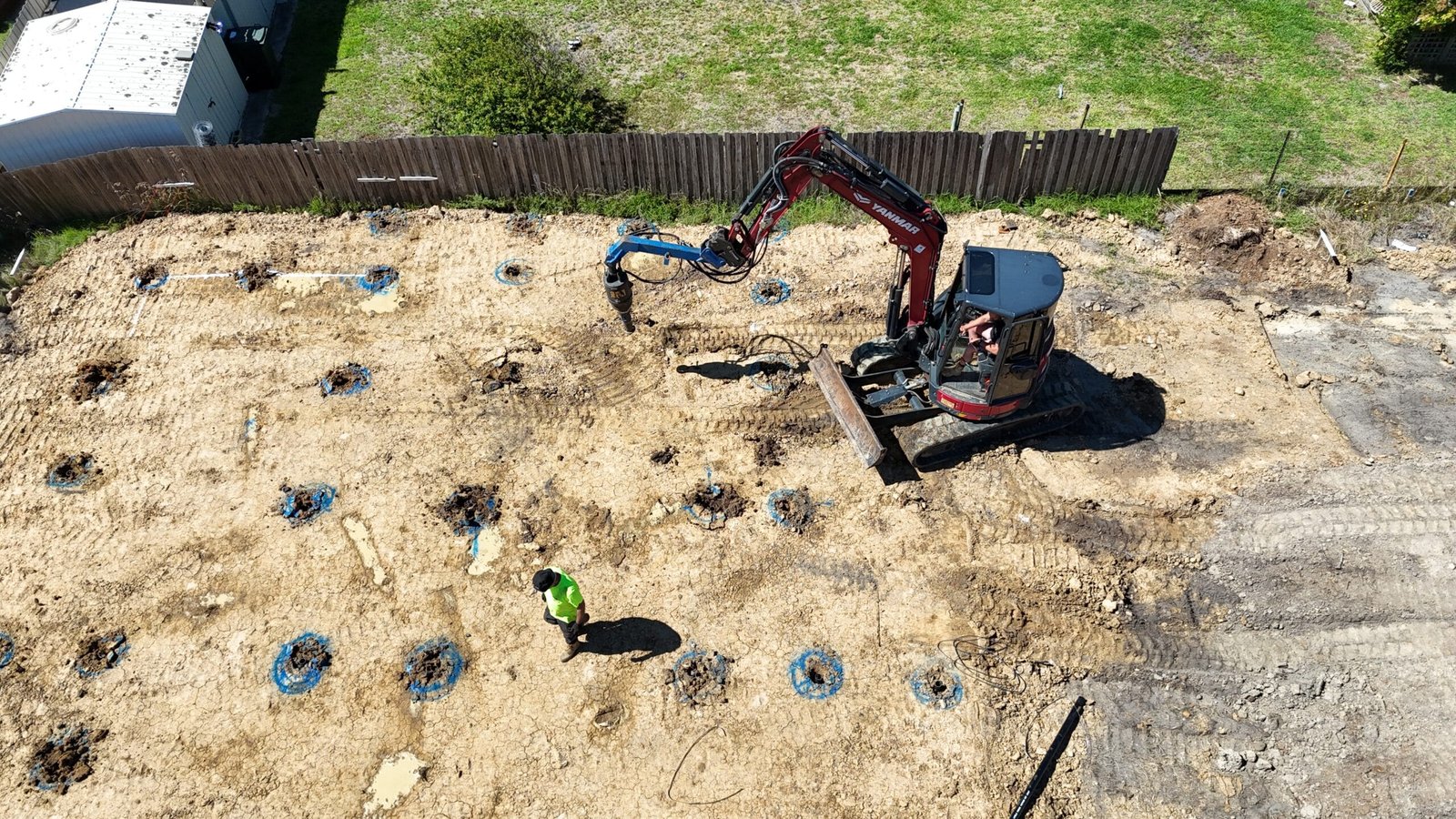
Soil Removal Across Melbourne
Melbourne sites commonly cut through reactive, basalt-derived clay, which behaves very differently once it is out of the ground — it bulks by around 15–30% compared to the size of the original hole, so the volume you actually need to truck off site is always larger than the in-situ excavation. HPL Construction removes excavated soil, clay and spoil from residential site cuts, retaining wall excavations, extensions and new developments across Melbourne and Victoria, and we plan truck movements and pricing around that bulked volume rather than the hole itself.
Our tipper truck and excavator fleet handles clean fill, reactive clay, rock and mixed spoil, and every load goes to a licensed disposal or resource recovery facility under the waste regulations EPA Victoria administers — never dumped informally. We size the job to the site, from a single-truck residential clean-up to multi-load commercial earthworks, and sequence removal so it does not hold up the rest of your build.
Our Soil Removal Process
We assess the volume and type of soil to be removed, then load and haul it using our excavators, loaders and tipper truck fleet. All soil and spoil is disposed of responsibly at approved facilities, in line with local regulations, leaving your site clean and ready for the next stage of construction.
Why Choose HPL Construction for Soil Removal
Trusted by Builders & Homeowners
With over 1,000 residential projects completed, HPL Construction has built a reputation for delivering dependable excavation and soil removal services that keep projects moving. From the initial site inspection through to final site clean-up, our focus is on safety, accuracy and customer satisfaction. Our licensed and fully insured team provides a clear, itemised quote before any work begins, and services Melbourne and Victoria wide.
Bulked Volume, Truck Loads & Where Your Soil Goes
Soil removal is genuinely a different job to the digging itself. Bulk excavation and earthworks are about shaping and cutting the site; soil removal is what happens to the material after it comes out of the ground — loading it, hauling it, and disposing of it lawfully so your site is actually clear, not just dug.
One thing that catches people out: the volume of soil you haul off site is not the same as the volume of the hole you dug. Once soil is excavated it loosens and expands — a process known as bulking — typically by around 15–30% depending on the soil type. Dense clay and broken rock bulk more than loose sand or clean fill. A 10 m³ in-situ excavation in reactive clay can easily become 12–13 m³ of loose material once it is out of the ground. We calculate bulked (loose) volume, not just the in-situ measurement, when planning truck movements and pricing a job, so the number of loads reflects what we actually have to haul, not the size of the hole.
All soil and spoil we remove is taken to a licensed disposal or resource recovery facility — never dumped informally. Where soil can be legitimately reused as clean fill, we'll discuss that option with you; where it can't, it's disposed of in line with the facility's licence conditions and Victorian waste regulations.
Where Soil Removal Is Needed
Soil removal comes up on almost every construction project that involves digging: new home site cuts, extensions and renovations, retaining wall excavation, pool excavation, driveway and landscaping regrades, basement and lower-ground excavation, and bulk spoil cartage on subdivisions and multi-lot developments. Some clients need a one-off removal of an existing pile of excess soil from a landscaping job; others need ongoing spoil haulage that keeps pace with an active build.
Soil, Clay & Spoil Types We Remove
We remove clean fill and topsoil, clay (including the reactive, basalt-derived clay common across much of Melbourne), rock and rubble generated during excavation, and general mixed spoil from site cuts. Different material behaves differently once it's out of the ground — clay and rock bulk more than clean sandy fill, and mixed material with rock or rubble in it may need to be handled or loaded separately.
Occasionally soil needs a closer look before it can be removed and disposed of. Soil from sites with a history of industrial or commercial use, filled land of unknown origin, or material that looks or behaves differently to what you'd expect on a routine residential dig can fall under waste soil classification requirements. EPA Victoria oversees the classification and lawful disposal of waste soil in Victoria, and soil suspected of contamination generally needs to be tested and classified by a qualified environmental consultant before a disposal facility can legally accept it. HPL Construction doesn't carry out that contamination testing ourselves — but where our crews come across soil conditions that raise a question, we flag it early so the right testing can happen before anything is loaded and moved, rather than after.
Step-by-Step Soil Removal & Disposal Process
- Site assessment. We assess the soil type and estimate volume, check site access and plan a realistic truck route in and out.
- Excavation & loading. Soil is excavated — often as part of a related site cut, bulk excavation or trenching job — and loaded directly into our tipper trucks, or into an on-site stockpile for staged removal on larger jobs.
- Bulked volume & load calculation. We work out the loose (bulked) volume of the material, not just the in-situ figure, so the number of truck loads reflects what we're actually hauling.
- Transport. Soil is hauled by our tipper truck fleet along a planned route to a licensed disposal or resource recovery facility.
- Disposal at a licensed facility. Material is received and disposed of, or processed for reuse, under that facility's licence conditions.
- Site clean-up & handover. The site is swept and graded, ready for the next stage of construction.
Got a pile of excess soil or an upcoming site cut?
Get a Free Soil Removal QuoteOur Process, From Enquiry to Completion
- Enquiry & site details. Tell us the volume and type of soil, your site access, and timing.
- Free, itemised quote. We provide a clear quote covering loading, cartage and disposal, based on bulked volume rather than a rough guess at the hole size.
- Scheduling. We book removal to fit your build program, including staged removal across multiple visits for larger volumes.
- Removal. Our crew loads and hauls the material, disposing of it responsibly at an approved facility.
- Handover. The site is left clean and ready for the next trade or stage of construction.
Equipment & Machinery Used
A typical soil removal job draws on excavators (sized to suit site access), wheeled loaders, our tipper truck fleet — including larger tandem and tri-axle trucks for bigger volumes — skid steers for tight-access sites where a full-size truck can't get close to the stockpile, and laser levels for grading the site once removal is complete.
Engineering & Compliance Considerations
Soil removal itself isn't governed by a slab or footing standard, but it commonly forms part of earthworks carried out to AS 3798 (guidelines on earthworks for commercial and residential developments) on site cuts and bulk excavation jobs. Where soil requires classification because contamination is suspected, that process sits under Victorian waste regulations administered by EPA Victoria, which governs how waste soil is classified and which facilities are licensed to accept it. We only take soil to lawfully licensed disposal and resource recovery facilities. Depending on the site, some councils also have requirements around truck movements and road protection for extended excavation and removal work on residential streets, which we plan for as part of scheduling.
Common Site Conditions & Challenges
- Restricted site access. Narrow driveways and tight inner-suburban blocks can rule out a full-size tipper truck getting close to the stockpile — we plan for smaller trucks, more trips, or skid steer relay loading on these sites.
- Wet weather & high water table. Saturated clay bulks more and is harder to load and truck safely; we build weather into scheduling rather than promising a date we can't guarantee.
- Rock and rubble mixed through the spoil. Material with rock or demolition rubble mixed in may need to be handled or loaded separately from clean soil.
- Uncertain soil origin. On older or previously developed sites, soil of unknown origin can require a hold point for classification before it's removed — something we flag as early as possible rather than mid-load.
- Traffic and street access. Truck movements on busy roads or narrow streets need planning around school zones, parking and neighbouring properties.
Cost Factors
We don't publish fixed soil removal prices, because the real cost depends on variables that are specific to your site. The main factors are: bulked (loose) volume of material — not the size of the hole — soil type (clay and rock bulk and weigh more than clean sandy fill, meaning more loads), site access and truck size required, distance to the disposal facility and that facility's gate fees, whether the soil needs classification or testing before it can be removed, and whether removal is a standalone job or bundled with excavation or a site cut. Every quote we provide is itemised, so you know exactly what you're paying for.
For a fast planning figure before you request a formal quote, try our Soil Removal Calculator, which estimates bulked volume and truck loads from your excavation size.
Want an accurate, itemised price for your soil removal?
Request A Free QuoteQuality Assurance & Safety Standards
Our team is licensed and fully insured. Trucks are loaded and restrained correctly for the material being carried, and all movements comply with road and traffic regulations. Every load of soil and spoil we remove is disposed of exclusively at licensed facilities, in line with EPA Victoria's waste requirements. On site, we manage excavation and loading in line with Victorian workplace safety requirements throughout every stage of the job.
Frequently Asked Questions
Do you remove concrete waste or demolition rubble?
Where demolition rubble or concrete waste comes up during a site cut, bulk excavation or soil removal job, we handle loading and removal of that material as part of the job. We're not a standalone concrete demolition or waste-hauling service -- for larger, demolition-specific waste volumes unrelated to excavation, that's worth discussing with us directly as part of your quote.
What soil removal services do you provide?
HPL Construction provides professional soil removal services for residential and commercial projects across Melbourne and Victoria. We remove excavated soil from site cuts, house foundations, extensions, retaining walls, pools, driveways and landscaping projects. Our team ensures all soil is removed safely, efficiently, and disposed of at approved facilities.
How much does soil removal cost?
The cost of soil removal depends on the volume of soil, soil type, site access, loading requirements and disposal fees. We offer competitive pricing and free, no-obligation quotes to provide a cost-effective solution tailored to your project.
What projects require soil removal?
Soil removal is commonly required for new home construction, site cuts, slab preparation, retaining walls, swimming pools, driveways, landscaping and renovation projects. Removing excess soil keeps your site safe, clean and ready for the next stage of construction while meeting local regulations.
Can I get an instant price estimate for soil removal?
Yes. Our free Soil Removal Calculator gives an instant estimate for bulked soil volume and disposal truck loads.
Do you provide soil removal in my suburb?
Yes, we service Melbourne and Victoria wide — see our Service Areas page for the full list of suburbs we cover.
What's the difference between "in-situ" and "bulked" soil volume?
In-situ volume is the size of the hole in the ground. Once soil is excavated it loosens and expands — a process called bulking — typically by around 15-30% depending on soil type, so the volume you actually need to haul and dispose of is larger than the volume of the excavation itself.
How many truck loads will my soil removal take?
It depends on the bulked (loose) volume of your material, not the size of the excavation, plus the truck size we can get onto your site. We calculate bulked volume and truck load numbers as part of your quote, so there are no surprises on the day.
Where does the soil go once it's removed from my site?
All soil and spoil we remove is taken to a licensed disposal or resource recovery facility — we never dump material informally. Where soil can be legitimately reused as clean fill, we'll discuss that option with you.
What happens if my soil is contaminated or of unknown origin?
EPA Victoria oversees the classification and lawful disposal of waste soil in Victoria. Soil suspected of contamination — for example from a site with a history of industrial use, or filled land of unknown origin — generally needs to be tested and classified by a qualified environmental consultant before a disposal facility can accept it. We don't carry out that testing ourselves, but we flag any soil conditions that raise a concern early, before removal, so the right process can happen first.
What's the difference between soil removal and bulk excavation?
Bulk excavation and earthworks are about digging and shaping the site itself. Soil removal is specifically what happens to the material once it's out of the ground — loading, hauling and lawfully disposing of it. Many projects need both, and we can quote them together or as standalone services.
Can you remove soil in stages for a larger project?
Yes. For larger volumes or an active build, we can schedule removal across multiple visits to keep pace with your project rather than requiring everything hauled off in one go.
Do you remove rock and rubble as well as soil?
Yes. We remove mixed excavated material, including rock and demolition rubble that comes up during a site cut, though it may need to be loaded or handled separately from clean soil.
What size trucks do you use for soil removal?
We run a fleet of tipper trucks in different sizes, from smaller trucks for tight-access residential sites up to tandem and tri-axle trucks for larger volumes, and choose the right combination for your site and job.
Can I keep some of the excavated soil on site?
Often, yes. If some of the material is reusable as fill or topsoil for landscaping, we can leave or stockpile a portion on site and remove the rest — this is worth discussing when we quote your job.
How long does soil removal take?
A single load or two can often be completed in a day. Larger volumes are typically staged across multiple visits, timed around your build schedule and site access.
Is soil removal a standalone service, or does it need to be booked with excavation?
Both. We handle standalone soil removal — for example, an existing stockpile from a landscaping project — as well as soil removal bundled with site cuts, bulk excavation or trenching.
Free Estimate Tools For This Service
Get an instant estimate before you request a quote, using the same figures we use to plan real projects.
Related Services
Popular Service Areas
Ready to Clear Your Site?
Request a free, no-obligation quote and our team will assess your site and provide an accurate, fixed price.