Concrete Maintenance Melbourne
Crack repair, resealing and resurfacing to keep existing concrete driveways, slabs and paths sound and looking their best.
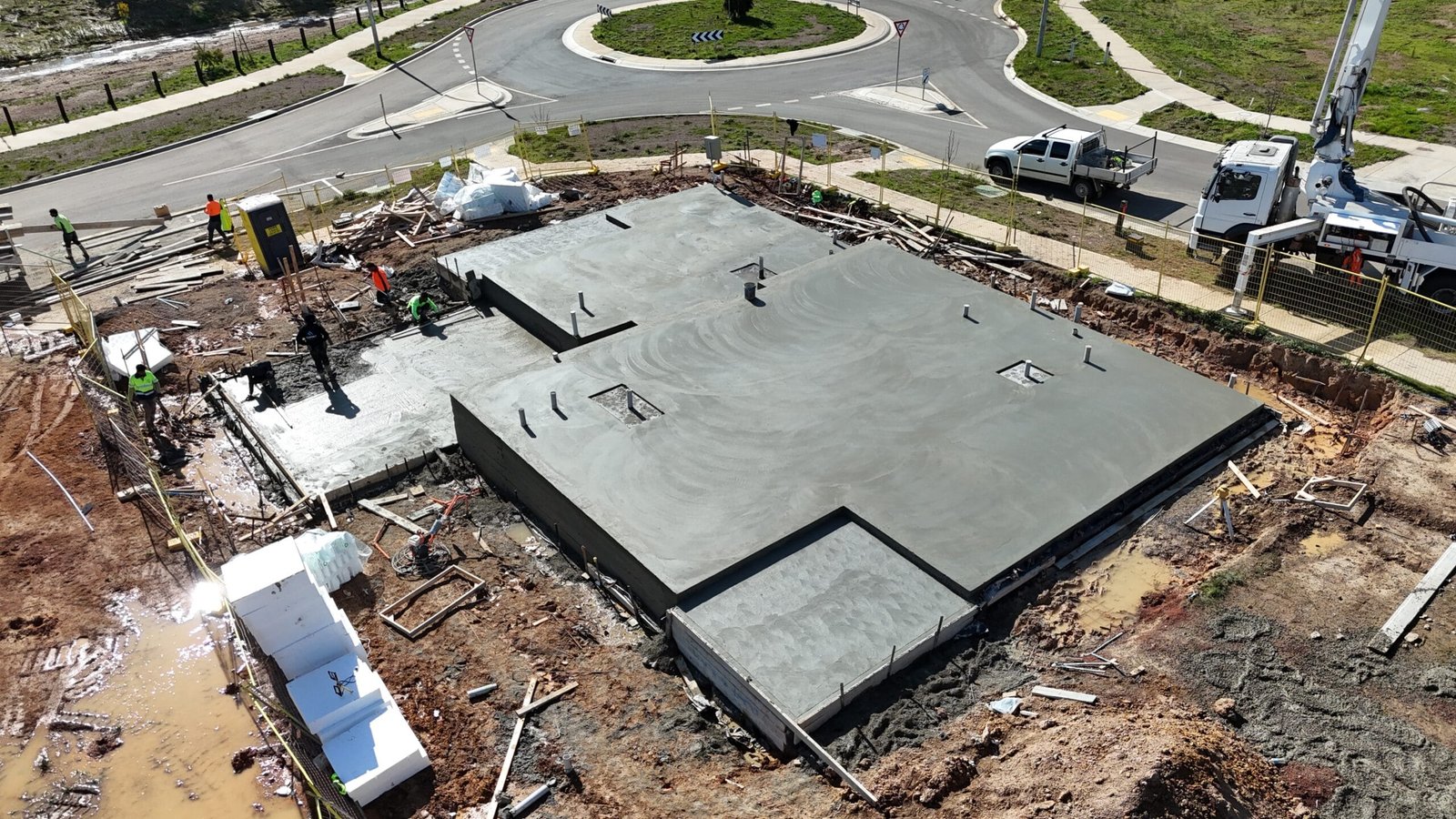
Concrete Maintenance & Repair Across Melbourne
Concrete is durable, but exposure to weather, ground movement and everyday use can still leave driveways, slabs and paths with cracking, surface wear or a tired-looking finish over time. HPL Construction provides concrete maintenance and repair to address these issues, restoring existing concrete rather than requiring a full replacement wherever the underlying slab is sound.
Maintenance Services
We assess and repair cracking in driveways, slabs and paths, reseal exposed aggregate and plain concrete surfaces to protect against staining and wear, and resurface tired or discoloured concrete to refresh its appearance. Where cracking or movement points to a deeper issue, we'll advise honestly if repair is the right call or if replacement will serve you better long-term.
Benefits of Professional Concrete Repair
- Cost-effective compared with full replacement. Where the underlying slab is sound, repairing, resealing or resurfacing the existing concrete costs less and disrupts your property far less than a full demolition and re-pour.
- Faster than a full replacement. Most repair, reseal and resurfacing work is completed in a fraction of the time a new pour and its curing period would take, with less noise, dust and site access disruption.
- Addresses small issues before they become bigger ones. A minor crack left untreated can let in water, allow further ground movement to widen it, or become a trip hazard -- addressing it early is usually simpler and cheaper than waiting.
- Restores appearance and safety. Resurfacing and resealing refresh a tired or stained surface, while crack and edge repairs remove trip hazards around driveways, paths and entryways.
- An honest assessment first. We tell you plainly whether a repair is the right long-term fix or whether the underlying slab genuinely needs replacing, rather than defaulting to whichever job is bigger.
Where This Service Is Used
Concrete maintenance and repair covers residential driveways, house slabs, garage floors, paths, alfresco and patio areas, and pool surrounds, wherever the existing concrete has developed cracking, surface wear, staining or a tired finish but the slab itself remains structurally sound. It's equally relevant on a driveway poured a few years ago that's picked up oil stains and hairline cracks, and on an older path with a lifted edge or a section of exposed aggregate that's lost its sheen.
Not sure if your concrete needs repair or replacement?
Get A Free AssessmentOur Process
We start with an on-site assessment to identify the cause and extent of the issue, then recommend the appropriate repair method — crack injection or patching, resealing, or resurfacing — before carrying out the work to match the surrounding finish as closely as possible.
Our Process, From Enquiry to Completion
- Enquiry & photos. Tell us what's going on -- cracking, staining, a lifted edge, a tired-looking surface -- and send photos if you can. This helps us understand the likely scope before we even arrive on site.
- On-site assessment. We inspect the affected area in person to identify the cause and extent of the damage, and confirm whether repair, resealing or resurfacing is the right approach -- or whether replacement genuinely makes more sense.
- Free, itemised quote. You get a clear written quote for the recommended repair method, so you know exactly what's being done and why before you commit.
- Scheduling. We lock in a date that works for you and confirm access and any surface preparation needed ahead of time.
- Repair work. Our team carries out the agreed repair, resealing or resurfacing, matching the surrounding finish as closely as possible.
- Handover. We walk you through the finished work and any care needed while sealers cure or patched areas fully harden.
Ready to Get Your Concrete Assessed?
Send us a few photos and details for a free, no-obligation assessment and quote.
Common Causes of Concrete Cracking & Damage
Understanding why concrete has cracked or deteriorated is the first step in choosing the right fix, and it's something we assess on-site before recommending a repair method rather than after.
- Reactive soil movement. Melbourne's clay soils expand and contract with seasonal moisture changes. Where a slab or driveway wasn't designed for the site's soil classification, or where drainage has changed since it was built, that movement can show up as cracking over time.
- Tree root intrusion. Roots growing beneath or alongside a slab, path or driveway can lift and crack concrete as they grow, particularly on older properties with established trees close to paved areas.
- General wear, UV exposure and weathering. Years of sun exposure, foot and vehicle traffic, and Melbourne's freeze-free but variable climate gradually wear down a surface finish and sealer, leading to fading, dusting or a rougher texture.
- Chemical and stain exposure. Oil and fuel drips, fertilisers, pool chemicals and de-icing products can stain or, over time, chemically attack an unsealed or poorly sealed concrete surface.
- Poor original construction. Inadequate base compaction, incorrectly spaced control joints, insufficient reinforcement, or a concrete mix not suited to the application can all lead to premature cracking, regardless of ground conditions.
Materials Used
- Crack injection resin. Epoxy resin for structural crack repair where a rigid, high-strength bond is needed, or polyurethane resin where some flexibility or water-stopping is required.
- Polymer-modified patching compounds. Cementitious repair mortars formulated to bond properly to existing concrete for patching spalled or damaged areas.
- Resurfacing overlay systems. Polymer-modified cementitious overlays applied to refresh a worn or discoloured surface without a full replacement pour.
- Bonding agents and primers. Applied to the prepared surface first, so new material properly adheres to the existing, older concrete underneath.
- Sealers. Penetrating sealers for plain concrete, and film-forming acrylic sealers for exposed aggregate surfaces, protecting against staining, UV fading and ongoing wear.
- Colour-matching oxide pigments. Used where required to bring a patched or resurfaced area as close as possible to the surrounding concrete's existing colour.
Equipment & Machinery Used
Repair and resurfacing work relies on different equipment to a new pour: diamond grinders and surface scarifiers to prepare and profile the existing concrete, high-pressure washers to clean surfaces before resealing or resurfacing, low-pressure injection pumps and ports for crack injection work, trowels and screeds for patching and overlay application, and spray equipment for even sealer coverage. Where a small section genuinely needs to come out and be replaced, we use saws to isolate that section cleanly rather than disturbing surrounding sound concrete.
Engineering & Compliance Considerations
Concrete maintenance and repair is remedial work on an existing structure, not new structural construction, so it doesn't carry the same design and permit process as a new slab or footing. The most important step is genuinely diagnostic, not regulatory: working out whether cracking or damage is cosmetic -- surface-level, stable, and safe to simply repair and reseal -- or a sign of a structural problem, such as ongoing footing movement or an inadequately supported slab, that needs an engineer's assessment before any cosmetic fix is applied.
As a general guide, fine, stable hairline cracking that hasn't changed over time is usually cosmetic. Cracking that's widening, stepped, running through a load-bearing element, or accompanied by visible movement elsewhere in the structure is a signal to get a proper engineering opinion first. We'll say so plainly during our on-site assessment rather than proceeding with a cosmetic repair that masks a bigger issue. Where a repair genuinely does involve significant structural work, that work is carried out with reference to the same standards, such as AS 2870 for residential slabs and footings, that applied to the original construction, and coordinated with a registered building surveyor and the Victorian Building Authority (VBA) process where required.
Cost Factors
We don't publish fixed repair prices, because the right cost figure depends on what your concrete actually needs, which only becomes clear once we've assessed it. The main factors are: the extent and length of cracking or damage, the repair method required (injection, patching, resealing or full resurfacing), the area involved, site access, how closely the finish needs to match the surrounding concrete, and how much surface preparation -- grinding, cleaning, removing an old sealer -- the job needs before repair work can begin. Every quote we provide is itemised, so you know exactly what you're paying for.
If a section genuinely needs full replacement rather than repair, our Concrete Driveway Calculator gives a fast planning figure for that alternative.
Quality Assurance & Safety Standards
Every repair starts with an honest, on-site assessment of cause and extent before any work is quoted or carried out, and materials are matched to the specific issue -- structural-grade epoxy for load-bearing cracks, flexible polyurethane where water ingress is a factor, and the appropriate sealer type for the surface finish. Our crews are licensed and fully insured, and grinding and cutting work is carried out with proper dust suppression in line with WorkSafe Victoria requirements for construction dust and silica exposure. Where an assessment identifies a genuine structural concern rather than a cosmetic issue, we say so before proceeding, rather than applying a cosmetic fix that masks the real problem.
Why Choose HPL Construction
With over 1,000 projects completed across Victoria, our licensed and fully insured team gives an honest assessment of whether your concrete needs repair or replacement, and carries out maintenance work to the same standard as our new construction projects.
Get Your Free Concrete Repair Quote
Our team will assess your driveway, slab or path and recommend the right repair approach -- no surprises, no upselling.
Concrete Maintenance & Repair Services Across Melbourne
We carry out concrete maintenance and repair throughout Melbourne and Victoria, from established inner suburbs to newer estates on the urban fringe. Browse your region below, or see every suburb we service.
Related Calculators
Considering full replacement instead of repair? Get an instant planning figure before you request a formal quote.
Frequently Asked Questions
How do I know if my concrete needs repair or full replacement?
It depends on the cause and extent of the damage. Surface cracking and wear can often be repaired, while cracking caused by significant ground movement or a failing sub-base may need replacement. We'll give you an honest assessment on-site.
Can you match the repair to my existing concrete finish?
We aim to match colour and texture as closely as possible, though some variation between new and weathered concrete is normal, particularly on older surfaces.
Do you reseal exposed aggregate driveways?
Yes, resealing exposed aggregate and plain concrete surfaces is one of our standard maintenance services, helping protect against staining and ongoing wear.
What causes cracking in a concrete driveway or slab?
Common causes include ground movement, tree root intrusion, a poorly prepared sub-base, or simply age and weathering. Our on-site assessment identifies the likely cause before recommending a repair method.
Do you provide free quotes for maintenance work?
Yes, request a free, no-obligation quote and we'll assess your driveway, slab or path and recommend the right repair approach.
What's the difference between crack injection and resurfacing?
Crack injection fills an individual crack with resin -- epoxy for a rigid structural bond, polyurethane where flexibility or water-stopping is needed -- to stabilise it. Resurfacing applies a new overlay across a wider area to refresh a worn or discoloured surface. Which one applies depends on whether you have isolated cracking or broader surface wear.
How long does a typical repair job take?
Most crack repairs, resealing and resurfacing jobs are completed within a day or two, depending on the area involved and the method used. We'll give you a specific timeframe as part of your quote.
How long before I can walk or drive on repaired or resurfaced concrete?
This varies by method -- crack injection resin and patching compounds cure faster than a full resurfacing overlay. We'll give you clear guidance on safe walking and driving times specific to the work carried out on your property.
Is resurfacing a permanent fix, or will it need doing again?
A properly applied resurfacing overlay is a durable, long-lasting fix, though like any exterior concrete surface it will benefit from resealing every few years to maintain its appearance and protection, similar to a new pour.
Can you fix a small trip hazard where a section of concrete has lifted?
In many cases, yes -- grinding down a raised edge is a common way to reduce or remove a trip hazard where the height difference is modest. Where the lift is significant, we'll assess whether grinding is enough or whether the underlying cause needs addressing first.
Do you repair concrete steps as well as driveways and paths?
Yes, we assess and repair cracking, spalling and surface wear on concrete steps in addition to driveways, slabs and paths.
Can tree root damage be prevented from happening again?
Removing the root causing the damage isn't always practical or desirable, so we'll talk through options during your assessment, which may include root barriers or design changes to reduce the chance of recurrence, alongside the repair itself.
Will repaired concrete look exactly like new, unweathered concrete?
We aim to match colour and texture as closely as possible, but concrete weathers over time and a repaired or resurfaced area can look slightly different to surrounding, older concrete, particularly in bright light. We'll set realistic expectations during your assessment.
Is your repair and maintenance work covered by warranty?
Yes. Repair and resurfacing work is backed by warranty in line with standard requirements for building work in Victoria; the specific coverage depends on the scope and value of the work carried out, which we'll confirm as part of your quote.
Is a DIY crack filler a good alternative to a professional repair?
DIY fillers can be a reasonable short-term fix for very minor cosmetic cracking, but they don't address the underlying cause and can fail if the crack is structural or still moving. Our on-site assessment identifies whether a crack is genuinely stable and cosmetic, or needs a proper repair.
Can oil, rust or chemical stains be removed during resurfacing?
Resurfacing with a new overlay generally covers surface staining effectively. For plain resealing without an overlay, deep or long-standing stains may still show through, so we'll assess the stain and recommend the right approach.
How do I know if a crack is just cosmetic or a sign of a structural problem?
Fine, stable hairline cracking that hasn't changed over time is usually cosmetic. Cracking that's widening, stepped, or accompanied by visible movement elsewhere in the structure is a signal to get a proper assessment before any cosmetic fix. We'll tell you plainly which applies to your situation during our on-site visit.
Related Services & Areas
Ready To Get Started?
Request a free, no-obligation quote and our team will assess your site and provide an accurate, fixed price.